Beginner's guide
Oracle cards for beginners
You don't need experience, a ritual or a special table. You need a deck, a quiet minute and a willingness to be honest with yourself.
This guide walks you through what oracle cards actually are, how they differ from tarot, how to do your very first reading, four simple spreads to try and the mistakes that trip most beginners up.
What oracle cards are
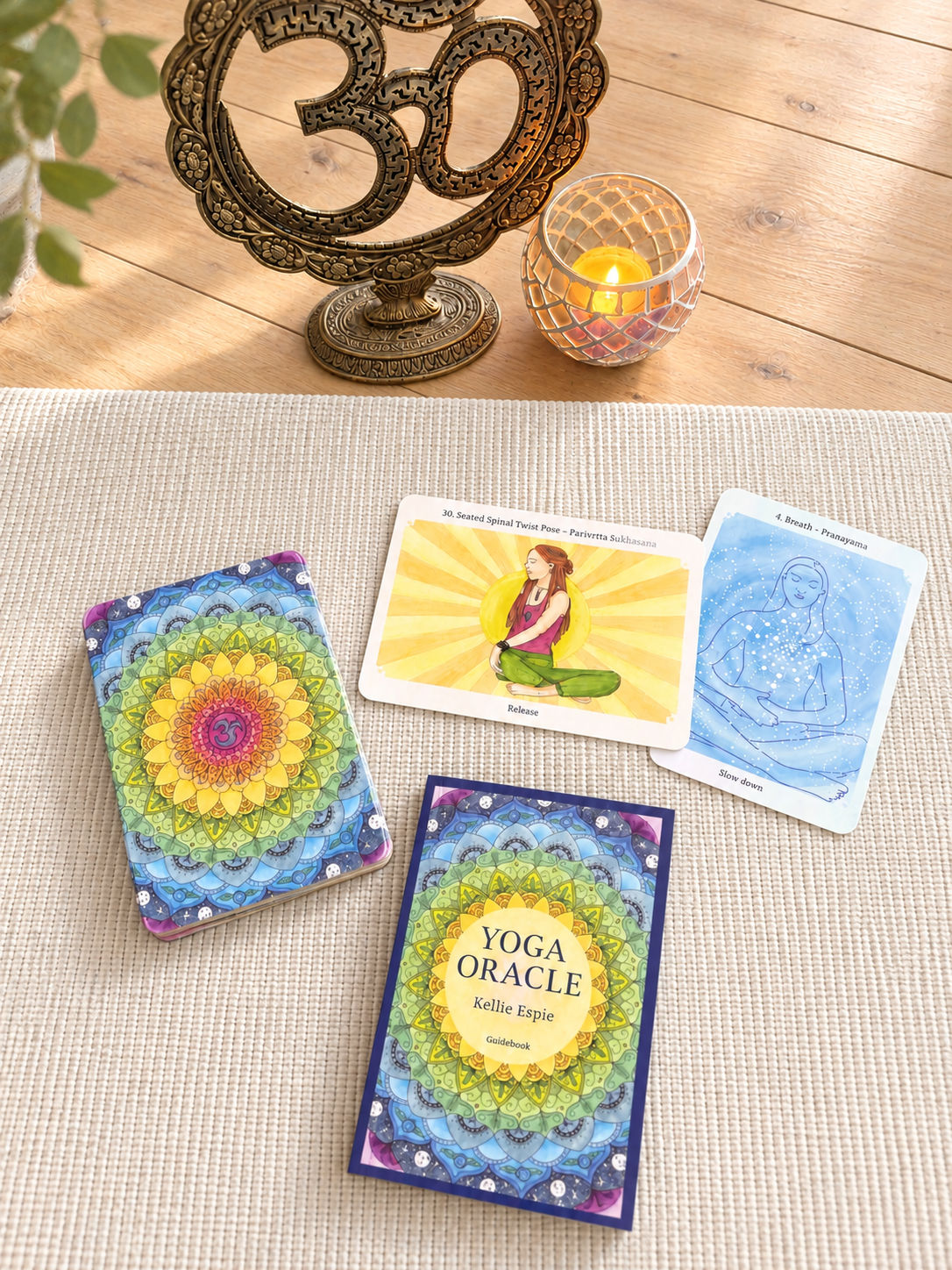
An oracle deck is a set of illustrated cards, each carrying a message or theme chosen by its creator. You shuffle, draw, and read the card as a prompt — something to think about, sit with, or act on.
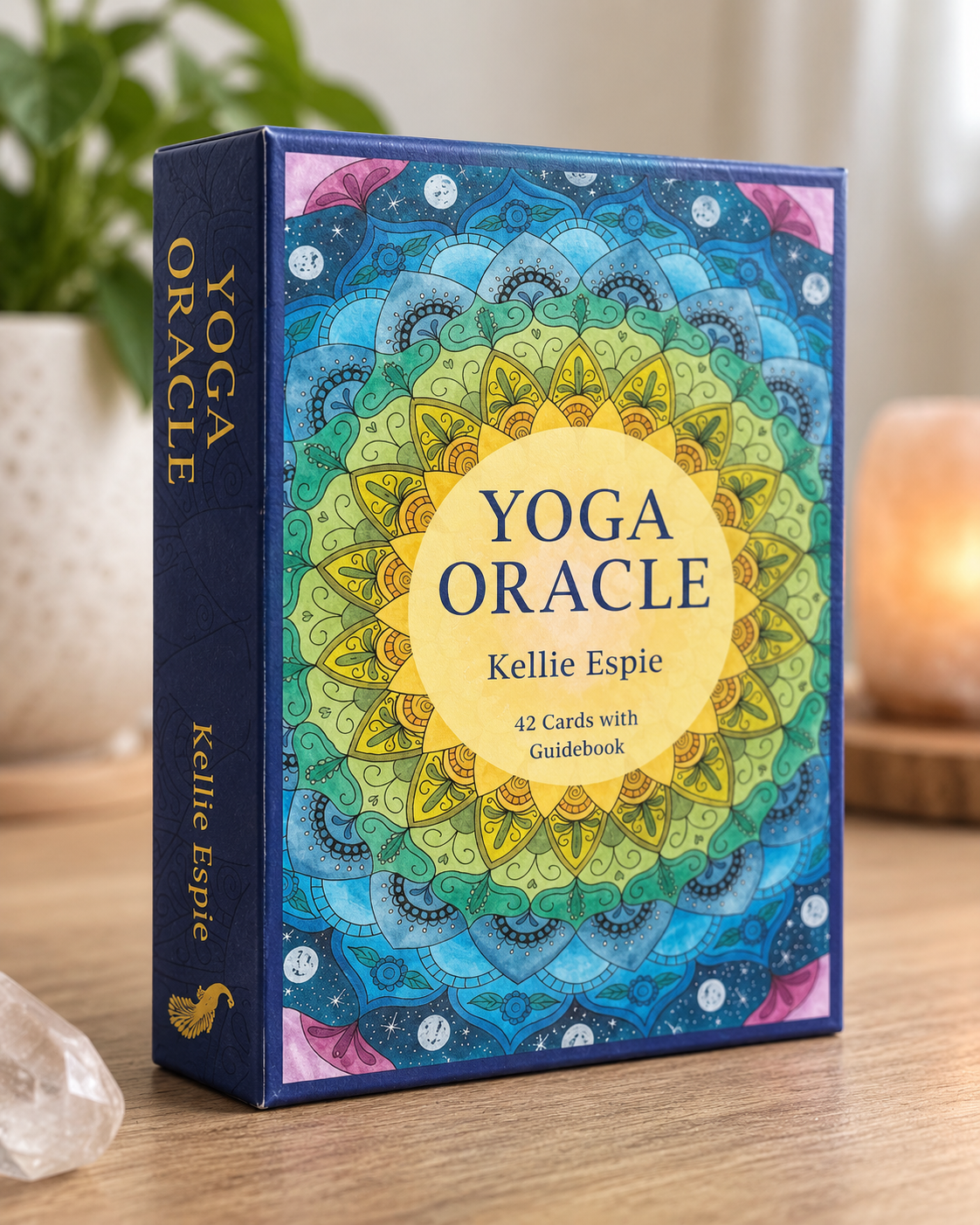
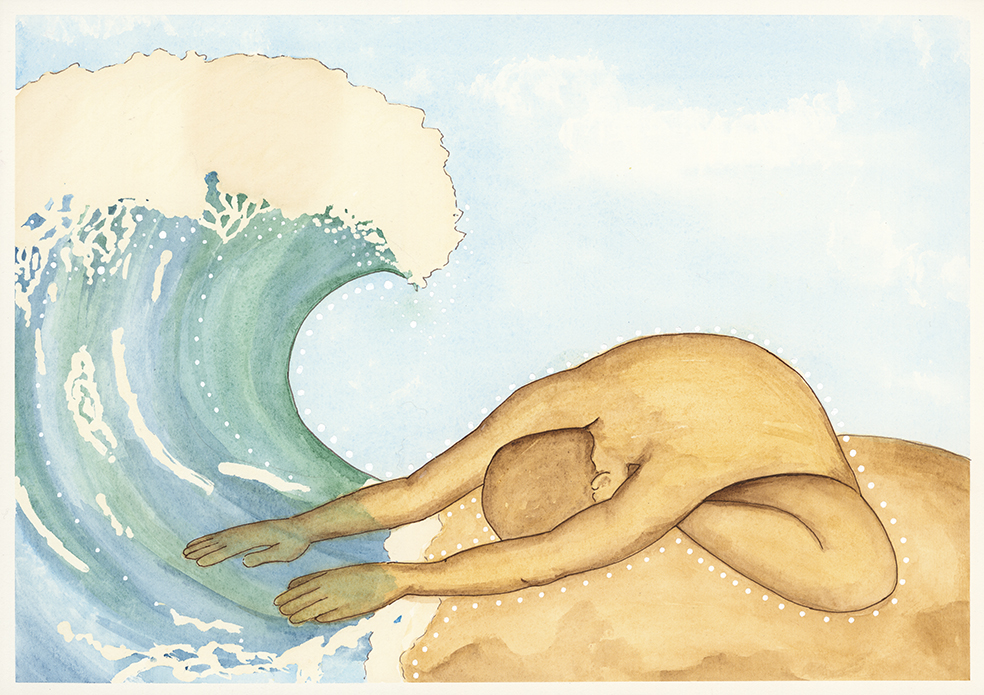
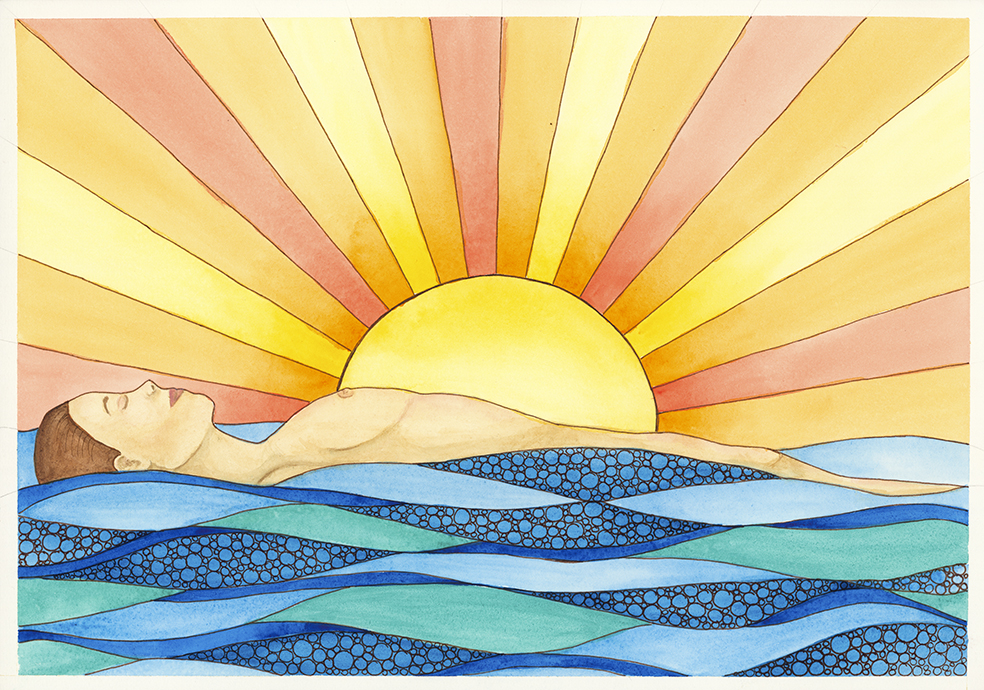
There's no standard format. One deck might hold 30 cards about the ocean; another 60 about ancestors; the Yoga Oracle holds 42 hand-painted yoga poses. Because the artist writes the meanings, every deck comes with a guidebook — which is exactly why oracle cards are the easiest place for a beginner to start. Nothing needs to be memorised.
Oracle cards vs tarot
| Oracle cards | Tarot | |
|---|---|---|
| Structure | Free-form — the artist decides | Fixed 78-card system |
| Card count | Varies (often 30–60) | Always 78 |
| Learning curve | Gentle — guidebook explains each card | Steeper — suits, arcana, reversals |
| Tone | Encouraging, reflective | Detailed, sometimes confronting |
| Best for | Daily guidance and journaling | In-depth, structured readings |
Neither is better. Many readers use both — tarot when they want to dig into something complicated, oracle cards for the daily practice of checking in.
Choosing your first deck
- Follow the artwork. You'll look at these images hundreds of times. If the art doesn't move you, the deck will stay in its box.
- Check the guidebook. A thin leaflet of one-word meanings gives you little to work with. Look for real writing behind each card.
- Pick a theme you already care about. Yoga, nature, creativity, self-compassion — a theme close to your life makes the messages land.
Your first reading, step by step
- 1
Create a quiet moment
Sit somewhere comfortable, put your phone out of reach and take three slow breaths. The pause matters more than the setting — two minutes is enough.
- 2
Ask an open question
Skip yes/no questions. Ask 'What do I need to notice today?' or 'Where can I soften?' Open questions leave room for an answer you haven't already decided on.
- 3
Shuffle until it feels right
Shuffle however you like — riffle, overhand, or spread the cards face-down and sweep them around. Stop when something in you says stop. Take the card on top, or the one that catches your eye.
- 4
Look before you read
Sit with the image first. Notice the colours, the posture, the feeling it gives you. Your first reaction is part of the reading.
- 5
Read the guidebook entry
Then read the written message. With the Yoga Oracle you'll also find how to enter the pose, what it offers the body, and when to take care.
- 6
Move with it
Practise the pose for as long as you need to feel a shift — a breath, a minute, ten minutes. This is where an oracle card becomes something you live rather than something you read.
- 7
Write one line
Note the card and a single sentence about what it stirred. Over a month those lines become a surprisingly clear record of what you've been working through.
Four beginner spreads
A spread is simply how many cards you draw and what each position means. Start at the top of this list and work down.
Best for absolute beginners
One-card daily draw
A single card to set the tone of your day. Draw it in the morning and revisit the message at night to see how it landed.
Best for a weekly check-in
Body · Mind · Spirit
Three cards, left to right. The first speaks to what your body needs, the second to your thinking, the third to the bigger picture.
Best when you feel stuck
Where I am · What's in the way · The next step
Three cards that map a situation without asking the deck to predict anything. Read the third card as an action you can take this week.
Best for yoga teachers
Practice draw
Draw one card before class and build your sequence or theme around its pose and message. A simple way to keep classes fresh and intentional.
Common beginner mistakes
- Redrawing until you get a card you like — sit with the first one instead.
- Expecting predictions. Oracle cards reflect; they don't forecast.
- Doing huge ten-card spreads on day one. Depth beats volume.
- Reading the guidebook and skipping your own reaction to the image.
- Believing there is a 'correct' ritual. The only rule is honesty.
Beginner questions answered
- What are oracle cards?
- An oracle deck is a set of illustrated cards, each carrying a message or theme chosen by its creator. You shuffle, draw, and read the card as a prompt for something to think about, sit with, or act on.
- What is the difference between oracle cards and tarot?
- Tarot follows a traditional 78-card system with Major and Minor Arcana. Oracle decks are free-form: the artist decides the theme, the card count and the meanings. That makes oracle cards gentler and easier to start with — you don't need to memorise anything, because the guidebook explains each card.
- Do I need to be psychic or experienced to use oracle cards?
- No. Oracle cards are a reflection tool, not a test. The card you draw gives you something to sit with. Your own honest response to it is the reading.
- How many cards should a beginner draw?
- Start with one card a day. A single card is easier to absorb and builds the habit. Once daily draws feel natural, try a three-card spread — past, present, next step, or body, mind, spirit.
- Do oracle cards need to be cleansed?
- There are no rules you must follow. Many people like to reset a deck by shuffling it thoroughly, resting it in moonlight, or holding it for a moment with a clear intention. Do what feels meaningful to you and skip what doesn't.
- Can someone else use my deck?
- Yes. Some readers prefer to keep a deck personal; others love sharing readings with friends or students. Both are fine — treat the deck as yours to decide.
- What makes the Yoga Oracle different?
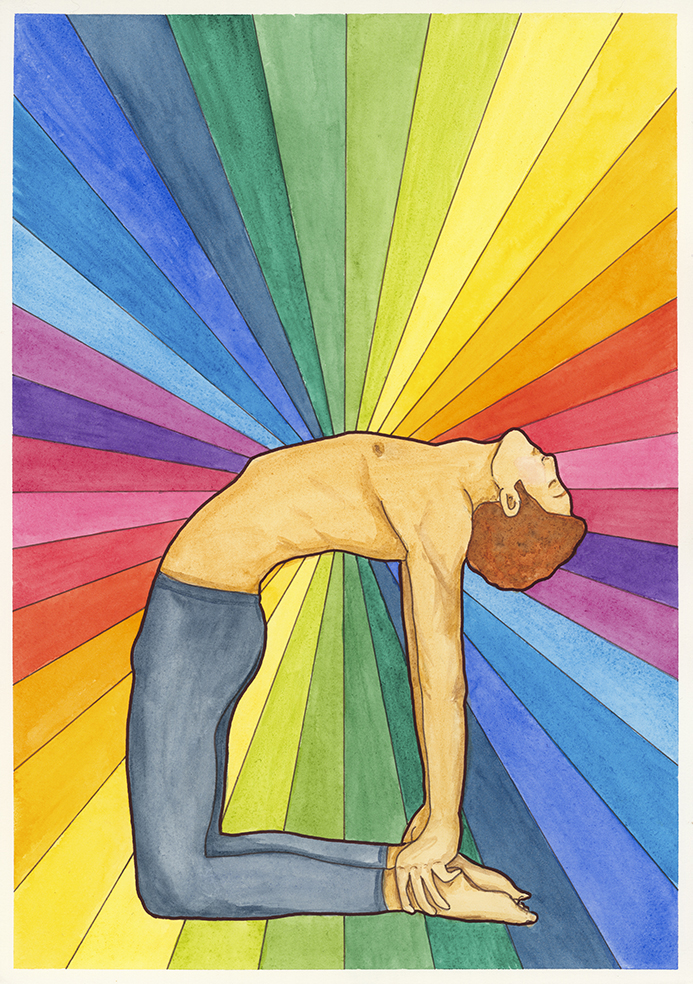
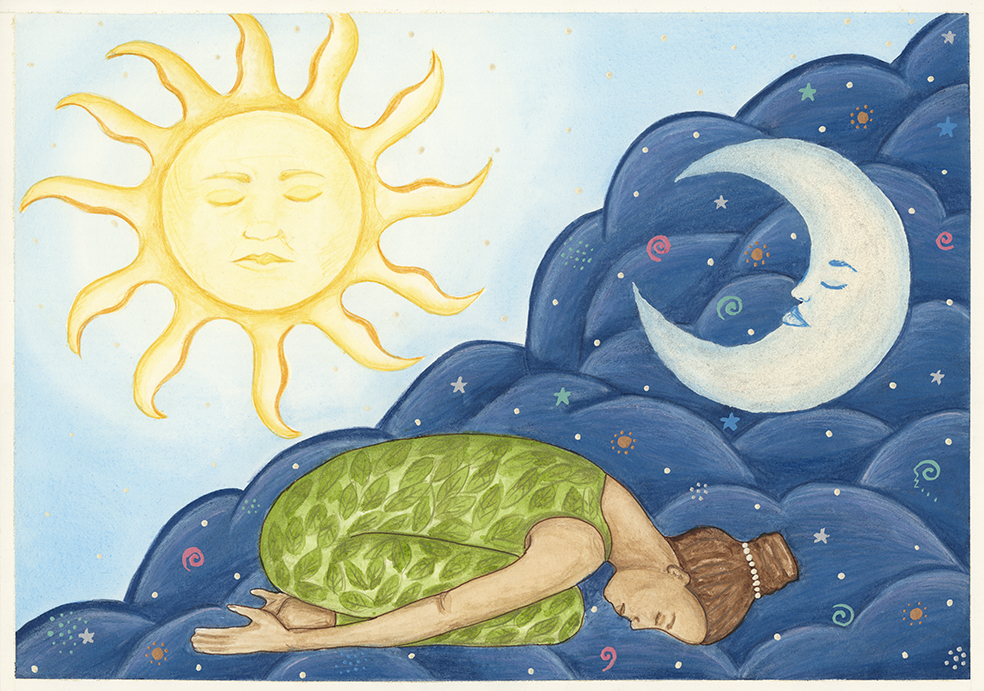
- Every one of the 42 hand-painted cards is a yoga pose. Along with a spiritual message, the guidebook gives you how to move into the pose, its physical benefits and the contraindications to honour — so the card becomes a practice, not just a thought.
Start your practice
The Yoga Oracle — a beginner-friendly deck
42 hand-painted cards and a 100-page guidebook. Every card is a yoga pose, with its message, how to move into it, its physical gifts and the care to take. Available to preorder now, AU $39.95.